
Nadia Boulanger
French teacher who shaped 20th-century music and broke conducting barriers.

MOSSOT · CC BY-SA 4.0
Juliette Nadia Boulanger was a French music teacher, conductor and composer. Born into a musical family (her father Ernest and sister Lili were acclaimed composers), she entered the Conservatoire de Paris at an early age but, believing that she lacked particular compositional talent, she forsook writing music and became a teacher. She taught many of the leading composers and musicians of the twentieth century, and also performed occasionally as a pianist and organist. She was the first woman to conduct many major orchestras in America and Europe, including the BBC Symphony, Boston Symphony, Hallé, and Philadelphia orchestras.
- born
- 16 September 1887
- died
- 22 October 1979
- field
- Music teacher, conductor, composer
- nationality
- French
- known_for
- Teaching generations of composers, first woman to conduct major orchestras
Verified Timeline
Lore & Background
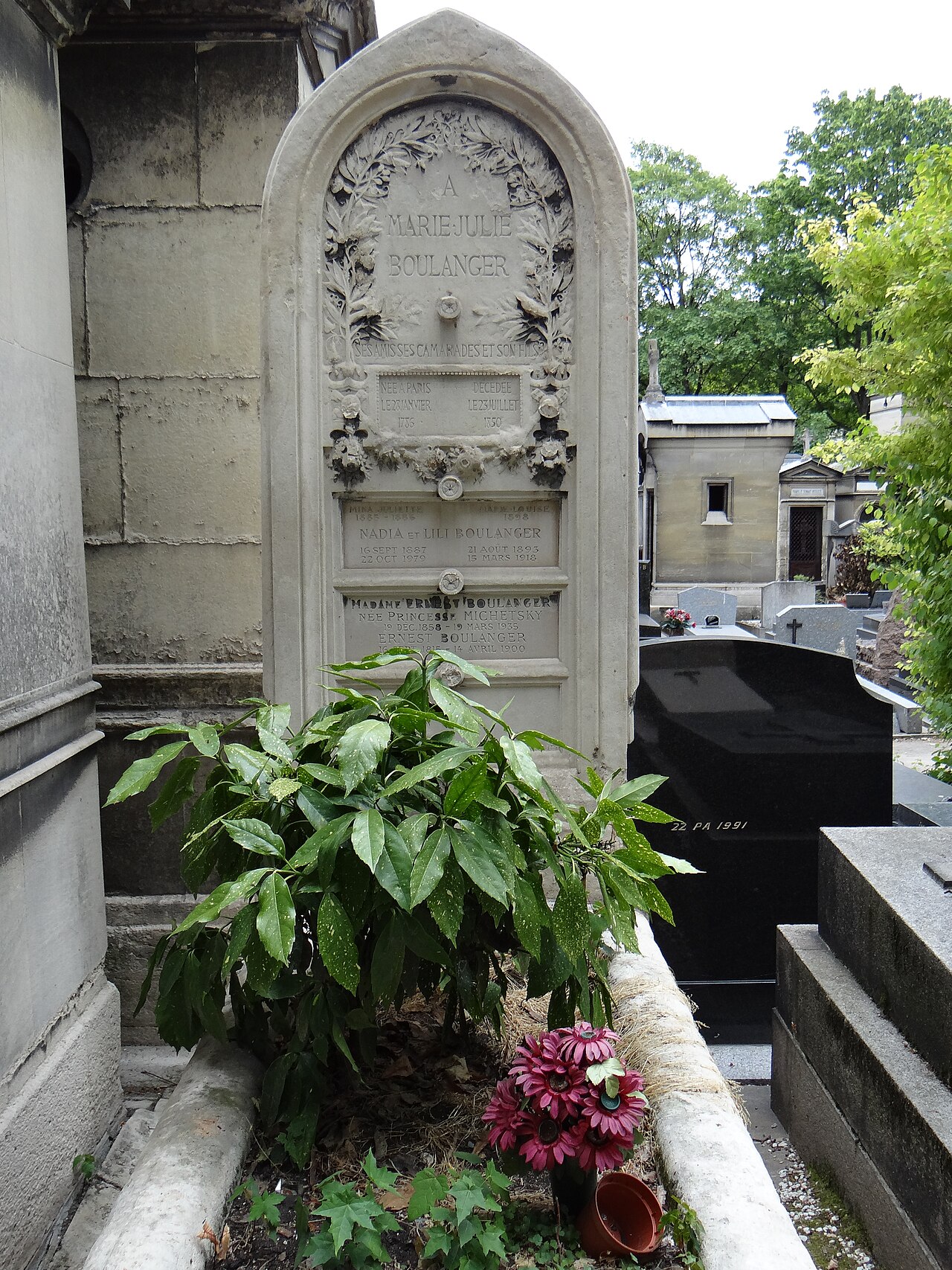
Nadia Boulanger was born in Paris on 16 September 1887 to French composer and pianist Ernest Boulanger and his wife Raissa Myshetskaya, a Russian princess who descended from St. Mikhail Tchernigovsky. Through her early years, Nadia would get upset by hearing music and hide until it stopped. In 1892, when Nadia was five, her response to music changed drastically: 'One day I heard a fire bell. Instead of crying out and hiding, I rushed to the piano and tried to reproduce the sounds. My parents were amazed.' At age seven she began studying for Conservatoire entrance exams, and in 1896 the nine-year-old entered the Conservatoire, studying with Fauré and others. She won first prize in solfège in 1898, and in 1903 won first prize in harmony. In the 1904 competitions she came in first in three categories: organ, accompagnement au piano, and fugue. In the autumn of 1904, she began to teach from the family apartment at 36 rue Ballu, holding a Wednesday afternoon group class in analysis and sight singing that continued almost until her death. In 1908, she caused a stir in the Prix de Rome by submitting an instrumental fugue rather than the required vocal fugue, resolved only when the French Minister of Public Information decreed her work be judged on musical merit alone; she won the Second Grand Prix for her cantata La Sirène. In April 1912, she made her debut as a conductor, leading the Société des Matinées Musicales orchestra in performances of her cantata, two of her songs, and Pugno's Concertstück. During World War I, she and her sister Lili organized the Comité Franco-Américain du Conservatoire National de Musique et de Déclamation, supplying food, clothing, money, and letters to soldiers who had been musicians. Lili died in March 1918. Boulanger struggled with her sister's death, keeping a shrine of Lili in her home and writing in her datebook in January 1919, 'I place this new...' She continued teaching for most of the seven decades from the start of her career until her death at age 92.
Reader's Guide
Nadia Boulanger's significance lies in her transformative role as a teacher of many of the twentieth century's most important composers, soloists, arrangers, and conductors. Among her over 250 students were Grażyna Bacewicz, Daniel Barenboim, İdil Biret, Elliott Carter, Aaron Copland, David Diamond, John Eliot Gardiner, Philip Glass, Roy Harris, Quincy Jones, Dinu Lipatti, Igor Markevitch, Astor Piazzolla, Julia Perry, and George Walker. Her influence extended especially to students from the United States and other English-speaking countries. She taught in the United States and the United Kingdom, working with music academies including the Juilliard School, the Yehudi Menuhin School, the Longy School, the Royal College of Music and the Royal Academy of Music, but her principal base for most of her life was her family flat in Paris. There, she taught for most of the seven decades from the start of her career until her death. She was the first woman to conduct many major orchestras in America and Europe, including the BBC Symphony, Boston Symphony, Hallé, and Philadelphia orchestras. She conducted several world premieres, including works by Copland and Stravinsky. Her legacy is preserved through the generations of musicians she taught and the world premieres she conducted.
Did You Know?
- Nadia Boulanger was born on her father Ernest's 72nd birthday.
- As a young child, she would get upset by hearing music and hide until it stopped; her attitude changed at age five when she heard a fire bell and rushed to the piano to reproduce the sounds.
- In the 1908 Prix de Rome, she submitted an instrumental fugue instead of the required vocal fugue, causing a stir that was resolved by the French Minister of Public Information.
- She made her conducting debut in April 1912, leading the Société des Matinées Musicales orchestra in a program that included her own cantata La Sirène.
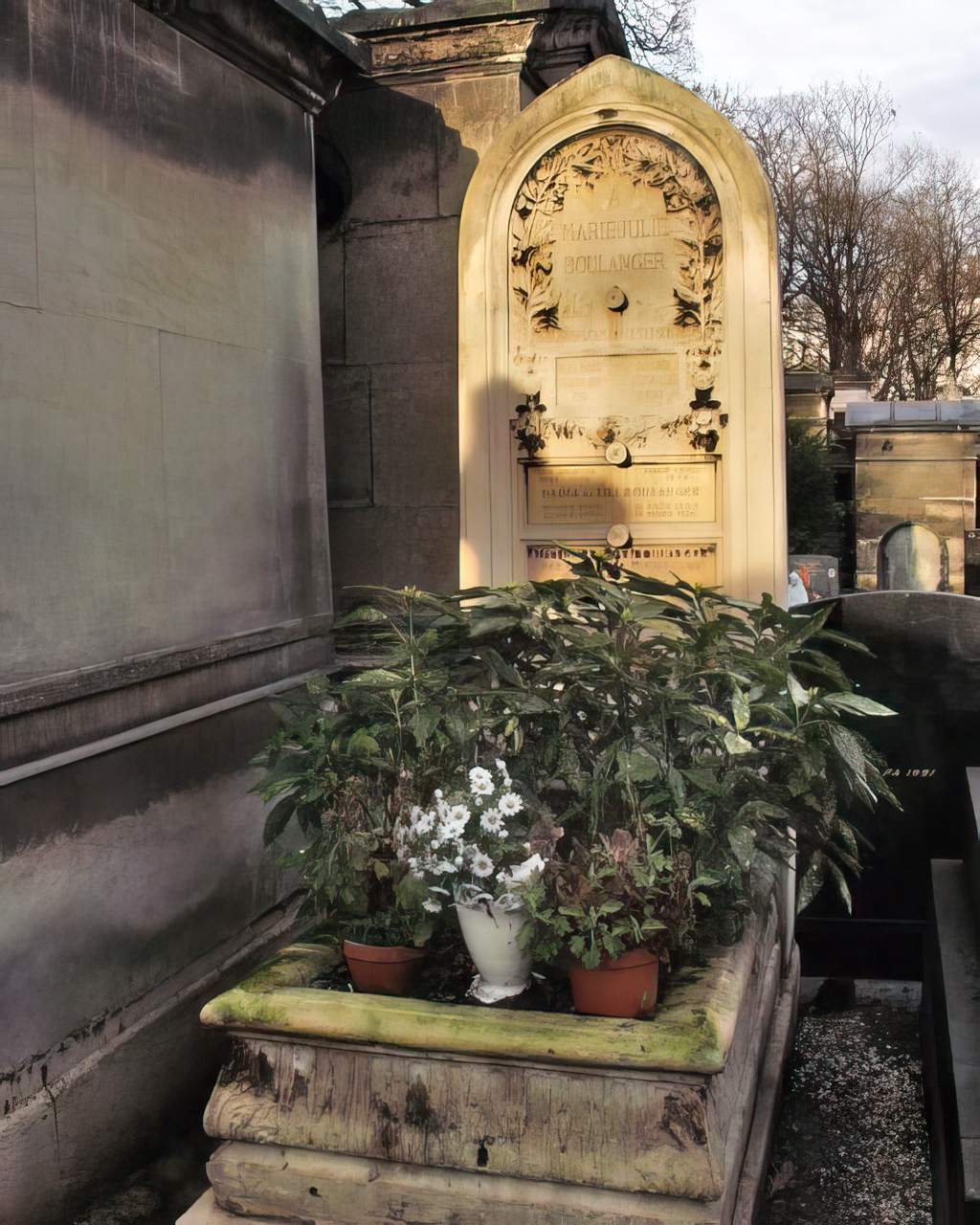
- After her sister Lili's death in 1918, Nadia kept a shrine of her in their home and wrote in her datebook in January 1919, 'I place this new...'
Early Life and a Sudden Musical Awakening
Nadia Boulanger entered the world in Paris on 16 September 1887, the daughter of the celebrated choral composer Ernest Boulanger and Raissa Myshetskaya, a Russian princess descended from St. Mikhail Tchernigovsky. The household was saturated with music, yet young Nadia initially recoiled from it, hiding until performances ceased. A turning point arrived in 1892, when she was five: hearing a fire bell, she abandoned her usual fear and rushed to the piano, attempting to replicate the sound. Her parents were stunned. From that moment she devoured her father's singing lessons and began absorbing the fundamentals of music. By seven she was preparing for Conservatoire entrance, sitting in on classes and taking private instruction. In 1896, at nine, she entered the Paris Conservatoire, studying under Fauré and others. Her father's death in 1900 plunged the family into financial strain, and Nadia threw herself into her studies with the determination to become a teacher and support her mother. She won first prize in harmony in 1903 and, in 1904, claimed top honors in organ, piano accompaniment, and fugue composition.
The Paris Salon and a Global Roster of Students
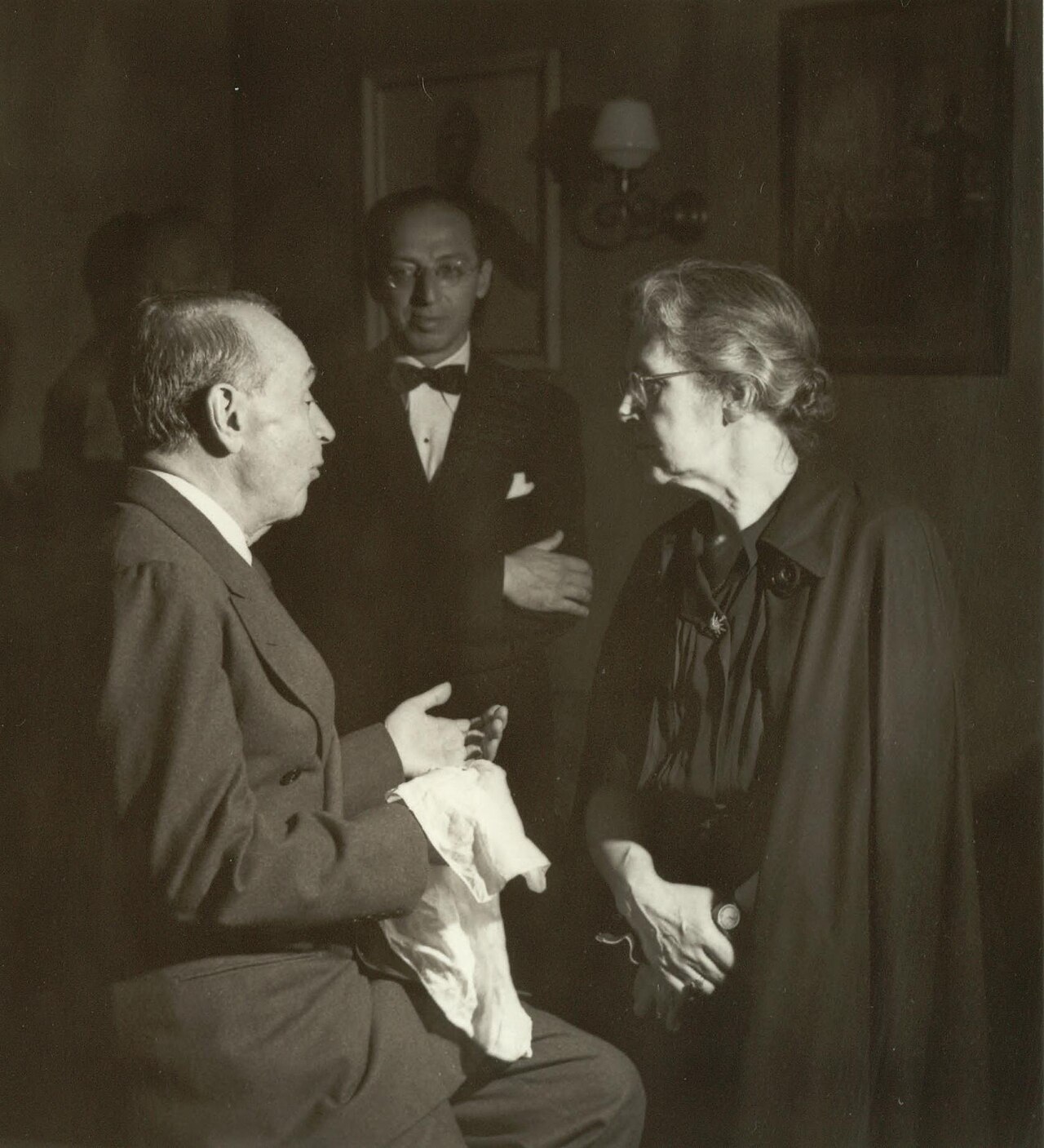
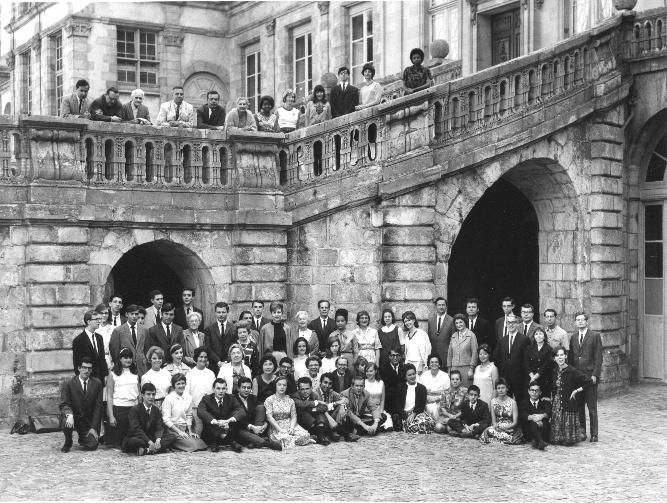
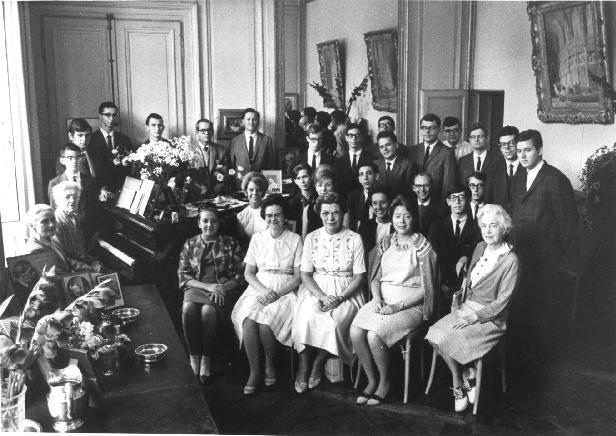
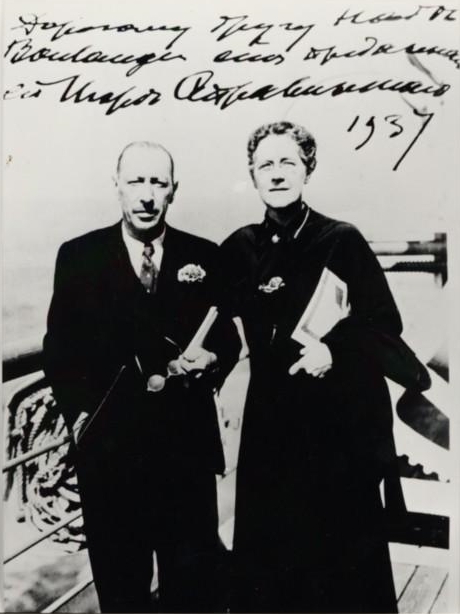
From autumn 1904 until her death in 1979, Boulanger anchored her career in the family apartment at 36 rue Ballu in Paris. There she held private lessons and a Wednesday afternoon group class in analysis and sight singing that continued almost uninterrupted for seven decades. These sessions were followed by her legendary "at homes," informal salons where students mingled with luminaries such as Igor Stravinsky, Paul Valéry, and Gabriel Fauré. Over the course of her career she guided more than 250 students, including Elliott Carter, Aaron Copland, Philip Glass, Daniel Barenboim, Quincy Jones, Astor Piazzolla, Dinu Lipatti, and Grażyna Bacewicz. While she also taught at institutions in the United States and the United Kingdom—the Juilliard School, the Yehudi Menuhin School, the Longy School, the Royal College of Music, and the Royal Academy of Music—Paris remained her true home. Her influence was especially profound on American and English-speaking composers, shaping generations of musical thought well beyond the walls of any single academy.
Breaking Barriers on the Podium
Though best remembered as a pedagogue, Boulanger also made history as a conductor. She became the first woman to lead several of the most prestigious orchestras in both America and Europe, including the BBC Symphony, the Boston Symphony, the Hallé, and the Philadelphia Orchestra. Her podium work was not limited to established repertoire; she conducted world premieres of works by composers as diverse as Aaron Copland and Igor Stravinsky. In addition to conducting, she performed occasionally as a pianist and organist, earning income through these engagements even while her teaching practice expanded. Her early Conservatoire training had given her formidable command of organ and piano accompaniment—she had won first prize in both categories in 1904—and these skills underpinned her versatility. By combining the roles of composer, performer, conductor, and teacher, Boulanger defied the narrow professional categories of her era and demonstrated that a woman could occupy every seat in the musical hierarchy simultaneously.
The Composer Who Chose to Teach
Boulanger's relationship with composition was complex and ultimately bittersweet. Encouraged by both her teacher Gabriel Fauré and the pianist Raoul Pugno, she pursued the Grand Prix de Rome with the same fervor her father Ernest had once shown. Her musical language was highly chromatic yet tonally grounded, with a discernible Debussy influence. She submitted work for the prize in 1906, failing to advance past the first round, and in 1907 she reached the final round but again did not win. Despite these setbacks she continued composing through the years following her Conservatoire departure in 1904. Yet she eventually concluded that she lacked the particular compositional gift she sought, and she set aside writing new music to devote herself fully to teaching. This decision was not a retreat but a redirection of enormous creative energy: rather than producing a personal catalogue of works, she poured her musical intelligence into shaping the minds of more than 250 students, many of whom went on to define twentieth-century music.
Gallery
Frequently Asked Questions
Who is Nadia Boulanger?
She was a French composer, conductor, and music pedagogue who lived from 1887 to 1979 and is widely regarded as one of the most influential music teachers of the twentieth century. Her legacy rests on both her own compositions and her extraordinary impact on the next generation of classical musicians.
What made Nadia Boulanger's conducting career groundbreaking?
She became the first woman to lead several of the world's most prominent orchestras, including the Boston Symphony, Philadelphia Orchestra, BBC Symphony, and the Hallé. At a time when women were almost entirely excluded from podiums, her achievements opened doors that had been firmly shut.
Who did Nadia Boulanger teach?
She mentored an extraordinary roster of twentieth-century composers and performers, shaping the careers of many who went on to become major figures in classical music. Her students spanned multiple countries and generations, making her one of the most far-reaching pedagogues in the history of Western music.
When was Nadia Boulanger born and when did she die?
She was born on 16 September 1887 in Paris, France, and passed away on 22 October 1979. Her nearly ninety-two years of life encompassed the full sweep of twentieth-century musical development.
What was Nadia Boulanger's musical background before she became a teacher?
She grew up in a deeply musical French family, which gave her early and extensive exposure to composition, piano, and organ performance. Although she continued to perform and compose throughout her life, she gradually devoted the bulk of her adult career to teaching and conducting rather than a full performing schedule.
More in Musicians & Composers 1-19
Spotted an error? Know more?
This is a living reference — every entry is fact-audited, and reader corrections feed straight into our audit queue. Suggest an edit · See this site's audit record