
Prince (musician)

Rob Deutscher from Melbourne, Australia · CC BY 2.0
Often credited as one of the greatest musicians of his generation, he pioneered the Minneapolis sound and was influential in the evolution of various other genres.
- field
- Music, film
- nationality
- American
Lore & Background
He wrote his first song, 'Funk Machine', at age seven. After his parents divorced, he lived with his father and mother at different times. He attended Central High School, where he played basketball and trained in classical ballet. The album spent 24 consecutive weeks at number one on the U.S. He released 39 albums during his life.
Reader's Guide
Prince's significance lies in his vast musical output and genre-blending innovation. He pioneered the Minneapolis sound, a fusion of funk, new wave, R&B, and pop, and influenced the evolution of multiple genres. His career was marked by creative independence, including a highly publicized name change to an unpronounceable symbol during a contractual dispute. His awards include the Grammy President's Merit Award, an Academy Award, and a Golden Globe. His legacy endures through his 39 studio albums and a vast archive of unreleased material.
Did You Know?
- Prince was named after his father's stage name, Prince Rogers.
- He wrote his first song, 'Funk Machine', at age seven.
- He was the first singer to simultaneously have a number-one film, album and single in the United States.
Musical Output & Commercial Dominance
Prince Rogers Nelson, born in Minneapolis in 1958 and gone by 2016 at 57, left behind a body of work that resists simple categorization. As singer, songwriter, multi-instrumentalist, dancer, actor, and filmmaker, he blurred every boundary the industry had drawn. His estimated 100-plus million records sold place him among the best-selling artists in history, yet the numbers barely capture what he built. After signing with Warner Bros. at eighteen and releasing his debut For You, he moved rapidly through critically acclaimed records—Dirty Mind, Controversy, and 1999—each sharpening the Minneapolis sound he helped pioneer. By 1984, working with his backing group the Revolution, he became the first singer to simultaneously hold a number-one film, album, and single in the United States. Purple Rain spent 24 consecutive weeks atop the Billboard 200 and earned an Academy Award for Best Original Song Score. He followed that with "Kiss" topping the Hot 100, then, after disbanding the Revolution, delivered the solo double LP Sign o' the Times in 1987, widely regarded as his masterpiece. He released 39 albums in total, including the double Grammy-winning Musicology in 2004, and left behind a vast trove of unreleased material.
The Name Change & Final Chapter
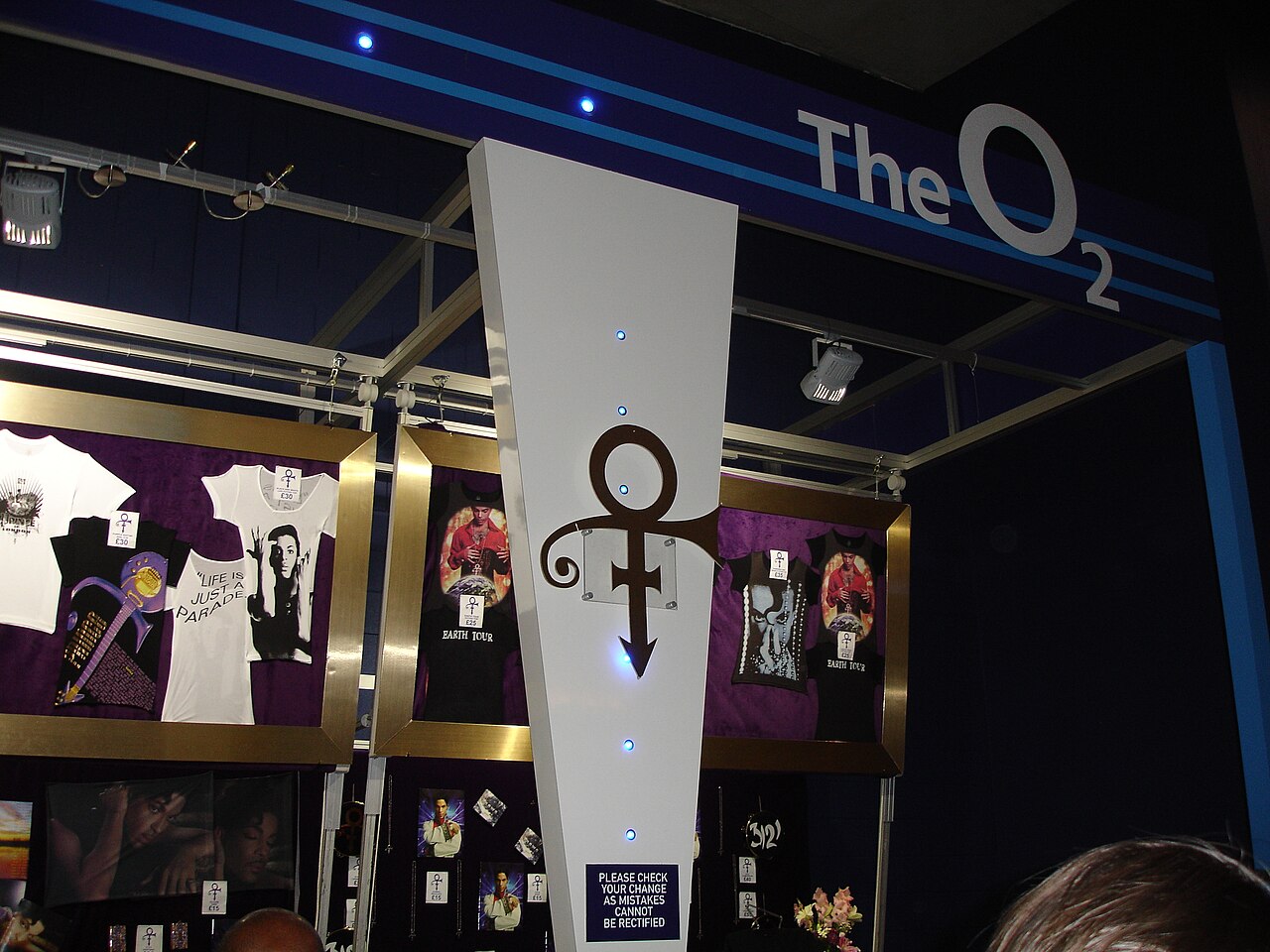
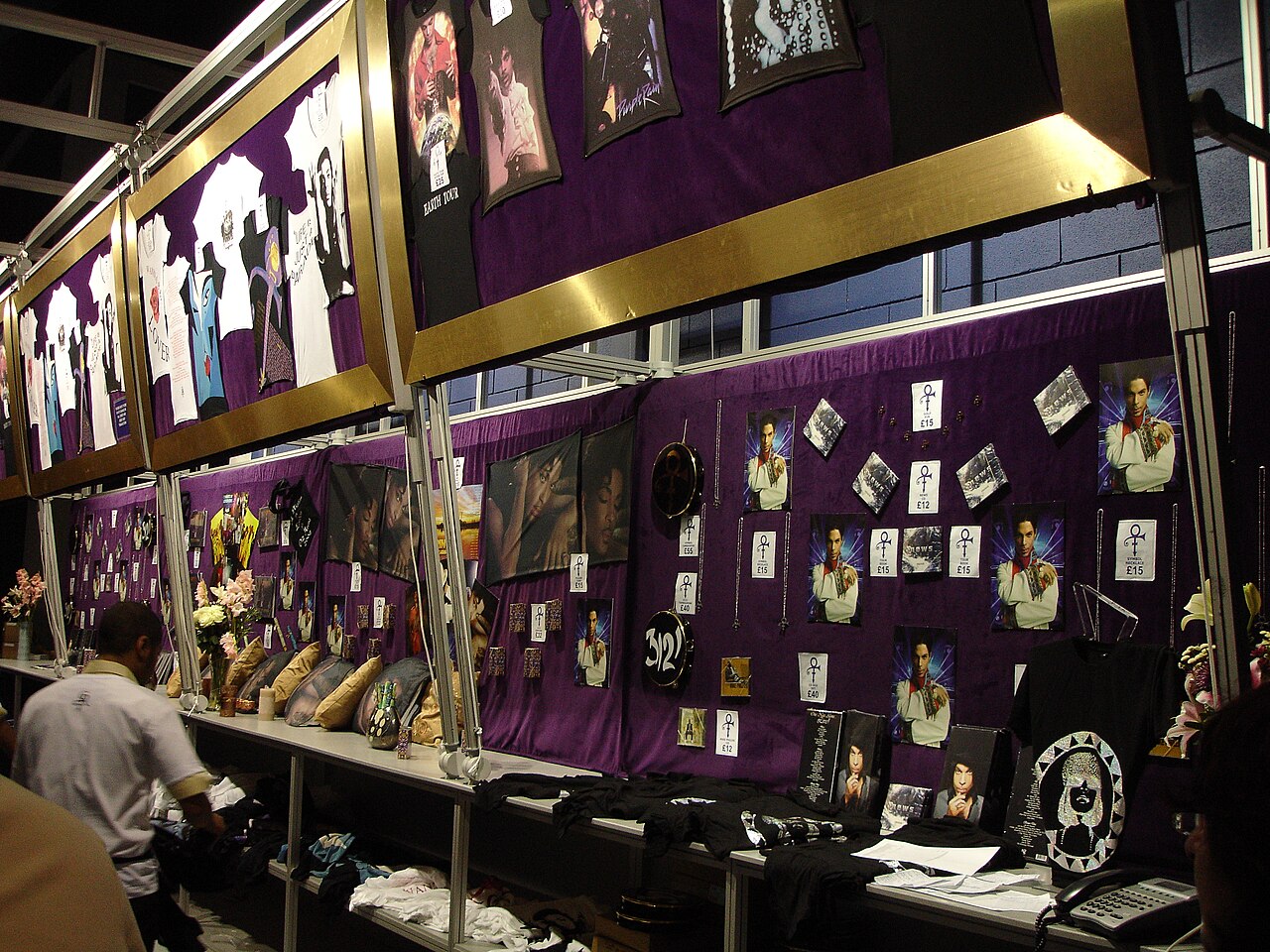
In 1993, amid a bitter contractual dispute with Warner Bros., Prince made a dramatic public statement: he changed his stage name to an unpronounceable symbol, which fans quickly dubbed the "Love Symbol." The music press took to calling him TAFKAP—the Artist Formerly Known as Prince—or simply "the Artist." This was not a mere branding exercise; it was a direct act of defiance against a label he felt was stifling his creative freedom. The standoff eventually ended when he signed with Arista Records in 1999, and by 2000 he had quietly reverted to his birth name. His post-Arista output included Musicology in 2004, a double Grammy Award winner that proved his creative fire had not dimmed. His final chapter was tragic. On April 21, 2016, at his Paisley Park home and recording studio in Chanhassen, Minnesota, Prince died at 57 after accidentally overdosing on counterfeit hydrocodone and paracetamol pills that had been laced with fentanyl. The loss stunned the music world and ended a career that had spanned nearly four decades of relentless output.
Awards, Inductions & Lasting Influence
Prince's influence on popular music extends far beyond his own recordings. Credited as one of the greatest musicians of his generation, he pioneered the Minneapolis sound and shaped the evolution of numerous other genres. His formal recognition reflects that breadth: he collected the Grammy President's Merit Award, American Music Awards for both Achievement and Merit, the Billboard Icon Award, an Academy Award, and a Golden Globe. His hall-of-fame inductions read like a career retrospective in themselves—Rock and Roll Hall of Fame in 2004, Rhythm and Blues Music Hall of Fame in 2016, Songwriters Hall of Fame in 2024, and two separate inductions into the Black Music & Entertainment Walk of Fame in 2022. Each honor arrived at a different stage of his life, underscoring how consistently he pushed musical boundaries. From the funk-inflected grit of his early albums to the orchestral sweep of Purple Rain and the sprawling ambition of Sign o' the Times, Prince kept reinventing himself. His legacy is not a single sound or era but a continuous thread of experimentation that still echoes through contemporary music.
Minneapolis Roots & Formative Years
Prince Rogers Nelson was born at Mount Sinai Hospital in Minneapolis on June 7, 1958, to jazz singer Mattie Della Shaw and pianist-composer John Lewis Nelson. His father had performed under the stage name Prince Rogers, and in a 1991 interview he explained he named his son that way because he wanted the boy to do everything he himself had wanted to do. Young Prince, who called himself "Skipper" and battled childhood seizures, wrote his first song, "Funk Machine," at age seven on his father's piano. His parents divorced when he was ten, and his mother's remarriage to Hayward Baker brought a stepbrother, Omarr, into the picture; their relationship was fraught enough to send Prince repeatedly switching between his parents' homes. Baker took him to see James Brown live, and his father bought him his first guitar. After a period of instability he lived in the Anderson family's basement, where he befriended their son André Cymone. At Central High School he played football, basketball, and baseball, and trained in classical ballet through the Minnesota Dance Theatre. By 1975 he was recording with the band 94 East, and by 1977 he had signed with Warner Bros. to record his debut album.
Gallery

Frequently Asked Questions
What is the Minneapolis sound that Prince pioneered?
The Minneapolis sound is a distinctive fusion of funk, rock, and electronic production that grew out of the Twin Cities music scene in the late 1970s and 1980s. Prince, alongside collaborators such as Morris Day and the group The Time, helped shape the style by pairing live horns and bass with synth-driven, groove-heavy arrangements.
Why did Prince change his stage name to an unpronounceable symbol in 1993?
Prince adopted the so-called Love Symbol as a direct protest against Warner Bros. Records, with whom he was locked in a bitter contractual dispute. He wanted to deny the label the right to market his music under his birth name and to reclaim full creative and commercial control over his identity.
More in Musicians & Composers 1-19
Spotted an error? Know more?
This is a living reference — every entry is fact-audited, and reader corrections feed straight into our audit queue. Suggest an edit · See this site's audit record