
Pablo Casals
Catalan cellist who revived Bach's Cello Suites and opposed Franco.

André Cros · CC BY-SA 4.0
Pablo Casals (29 December 1876 – 22 October 1973), also known by his birth name Pau Casals i Defilló, was a Catalan cellist, composer, and conductor, born in Spain. He is perhaps best remembered for the recordings he made of the Cello Suites by Bach. With the fall of Republican Spain to the Nationalist forces of Francisco Franco in 1939, Casals went into self-exile, refusing to return to Spain until democracy was restored. He lived in Prades, France from 1939 to 1956, and then in Ceiba, Puerto Rico from 1956 until his death in 1973.
- born
- 29 December 1876
- died
- 22 October 1973
- field
- Cellist, composer, conductor
- nationality
- Catalan, born in Spain
- known_for
- Recordings of Bach's Cello Suites; self-exile from Francoist Spain; founding the
Verified Timeline
Lore & Background
Casals was born in El Vendrell, Catalonia, Spain. His father, Carles Casals i Ribes, was a parish organist and choirmaster. His mother, Doña Pilar Defilló de Casals, was born in Mayagüez, Puerto Rico. Casals' father gave him instruction in piano, songwriting, violin, and organ. At age four, Casals could play the violin, piano and flute; at age six he played the violin well enough to perform a solo in public. When Casals was 11, he first heard the real cello performed by a group of traveling musicians and decided to dedicate himself to the instrument. In 1890, when he was 13, he discovered a sheaf of crumpled pages containing unaccompanied suites by Johann Sebastian Bach for the cello in an old music shop near the harbour in Barcelona. He spent the next 13 years practicing the Six Suites every day before he would perform them in public for the first time. On 23 February 1891 he gave a solo recital in Barcelona at age fourteen. In 1893, Spanish composer Isaac Albéniz heard him playing in a trio in a café and gave him a letter of introduction to the Count Guillermo Morphy, private secretary to the Queen Regent of Spain. Casals was granted a royal stipend to study composition at the Madrid Royal Conservatory. In 1895 he traveled to Paris, where he earned a living by playing second cello in the theatre orchestra of the Folies Marigny. In 1896 he returned to Spain and received an appointment to the faculty of the Escola Municipal de Música in Barcelona and was appointed principal cellist in the orchestra of Barcelona's opera house, the Liceu. In 1897 he appeared as soloist with the Madrid Symphony Orchestra and was awarded the Order of Carlos III from the Queen. In 1899 he played at The Crystal Palace in London and later for Queen Victoria at Osborne House. On 12 November and 17 December 1899 he appeared as a soloist at the Lamoureux Concerts in Paris to great acclaim. He toured Spain and the Netherlands with pianist Harold Bauer from 1900 to 1901; in 1901/02 he made his first tour of the United States; and in 1903 toured South America. On 15 January 1904 Casals was invited to play at the White House for President Theodore Roosevelt. On 9 March 1904 he made his debut at Carnegie Hall, playing Richard Strauss's Don Quixote under the baton of the composer. In 1906 he became associated with Portuguese cellist Guilhermina Suggia; their relationship ended in 1912. Casals organized a trio with pianist Alfred Cortot and violinist Jacques Thibaud; they played concerts from 1906 to 1933. In 1919 he organized the Pau Casals Orchestra in Barcelona and led its first concert on 13 October 1920. With the fall of Barcelona in 1939, Casals left Spain to live in Prades, an historically Catalan region. Between 1939 and 1942 he made sporadic appearances as a cellist in the unoccupied zone of southern France and in Switzerland. In 1950 he resumed his career at the Prades Festival, organized in commemoration of the bicentenary of the death of Johann Sebastian Bach. He traveled extensively to Puerto Rico in 1955, inaugurating the annual Casals Festival the next year. He founded the Puerto Rico Symphony Orchestra in 1958 and the Conservatory of Music of Puerto Rico in 1959. President John F. Kennedy awarded Casals the Presidential Medal of Freedom in 1963, though the ceremony was presided over by President Johnson. One of his last compositions was the Hymn to the United Nations, which he conducted at the United Nations in 1971. At that event he was awarded the U.N. Peace Medal in recognition of his stance for peace, justice and freedom. In accepting the award, he gave a short speech 'I Am a Catalan' and performed the traditional Catalan song, El Cant dels Ocells.
Reader's Guide
Pablo Casals's significance lies in his revival and popularization of Bach's Cello Suites, which had been largely neglected since their publication in 1825. Written in the early 1700s but only published in 1825, this preeminent work for the cello was largely neglected until it was rediscovered, performed, and recorded by Casals. He spent 13 years practicing the Six Suites every day before performing them publicly. Beyond his musicianship, Casals became a symbol of political resistance through his self-exile from Francoist Spain, refusing to return until democracy was restored. He was fined one million pesetas for his political views and refused to appear in countries that recognized the Spanish government. He made a notable exception to this determination when he appeared at the White House on 13 November 1961 at the invitation of President John F. Kennedy. His founding of the Pau Casals Orchestra in 1919, the Prades Festival in 1950, the Puerto Rico Symphony Orchestra in 1958, and the Conservatory of Music of Puerto Rico in 1959 demonstrated his commitment to music education and cultural exchange. His later years were marked by humanitarian gestures, including conducting the Hymn to the United Nations and receiving the U.N. Peace Medal for his stance on peace, justice, and freedom. Casals's legacy endures as both a transformative cellist and a principled advocate for democracy.
Did You Know?
- At age 13, Casals discovered a crumpled sheaf of pages containing Bach's Six Suites for Violoncello Solo in an old music shop near the harbour in Barcelona, and spent the next 13 years practicing them every day before performing them publicly.
- Casals was awarded the Order of Carlos III from the Queen in 1897 after appearing as soloist with the Madrid Symphony Orchestra.
- Casals played at the White House for President Theodore Roosevelt on 15 January 1904, and made his Carnegie Hall debut on 9 March 1904 playing Richard Strauss's Don Quixote under the baton of the composer.
- Casals was fined one million pesetas for his political views by the Francoist press, which wrote articles deriding him as 'a donkey'.
- One of his last compositions was the Hymn to the United Nations, which he conducted at the United Nations in 1971, where he also received the U.N. Peace Medal.
The Rediscovery of Bach's Cello Suites
In 1890, a thirteen-year-old Casals wandered into an old music shop near the Barcelona harbour and stumbled upon a bundle of crumpled, discoloured pages. They were Johann Sebastian Bach's Six Suites for Violoncello Solo — a work composed in the early 1700s but not published until 1825, and by then largely forgotten by the musical world. The young Catalan was struck with what he later described as wonder at the magic and mystery hidden in those words. What followed was a thirteen-year odyssey of daily, devoted practice before he dared present the suites publicly for the first time. He would go on to craft his own interpretation and make recordings that defined the work for generations. Though Casals left a vast catalogue of solo, chamber, and orchestral recordings, and even conducted, it is above all his Bach that secured his place in musical history. He effectively resurrected a neglected masterpiece, transforming it from a curiosity in a dusty shop into one of the most performed and recorded works in the cello repertoire.
Exile, Catalan Identity, and the Pursuit of Peace
When the Nationalist forces of Francisco Franco overthrew Republican Spain in 1939, Casals chose self-imposed exile rather than submit to the new regime. He made a firm, lifelong decision: he would not set foot in Spain again until democracy was restored. For the next seventeen years he settled in the small town of Prades in France, and from 1956 until his death in 1973 he called Ceiba in Puerto Rico home. Yet his political convictions never dimmed. Among his last compositions was the Hymn to the United Nations, which he conducted at the United Nations in 1971, where he was presented with the U.N. Peace Medal for his unwavering stance on peace, justice, and freedom. Accepting the honour, he delivered a brief declaration — 'I Am a Catalan' — and performed the traditional Catalan folk song El Cant dels Ocells, The Song of the Birds. The same spirit of principled resistance had earned him the Presidential Medal of Freedom from John F. Kennedy in 1963, a ceremony ultimately presided over by President Johnson.
A Child Forged in Music
Pau Casals i Defilló entered the world in El Vendrell, Catalonia, in 1876, into a household where music was both vocation and discipline. His father, Carles, served as parish organist and choirmaster and imposed a rigorous regimen on his children: the piano would be dragged from the wall, and young Pau and his brother Artur would stand behind it, naming every note and scale their father played. By four, Casals handled violin, piano, and flute; by six he was performing violin solos in public. His first brush with the cello came from a wandering Catalan musician who strung a broom handle, and his father's response was to build a crude instrument with a gourd for a sound-box. At eleven, hearing a genuine cello played by a travelling ensemble, he resolved to devote himself entirely to it. In 1888 his mother brought him to Barcelona for study at the Escola Municipal de Música, and five years later he graduated with honours, having given his first solo recital at just fourteen.
A Career Without Borders
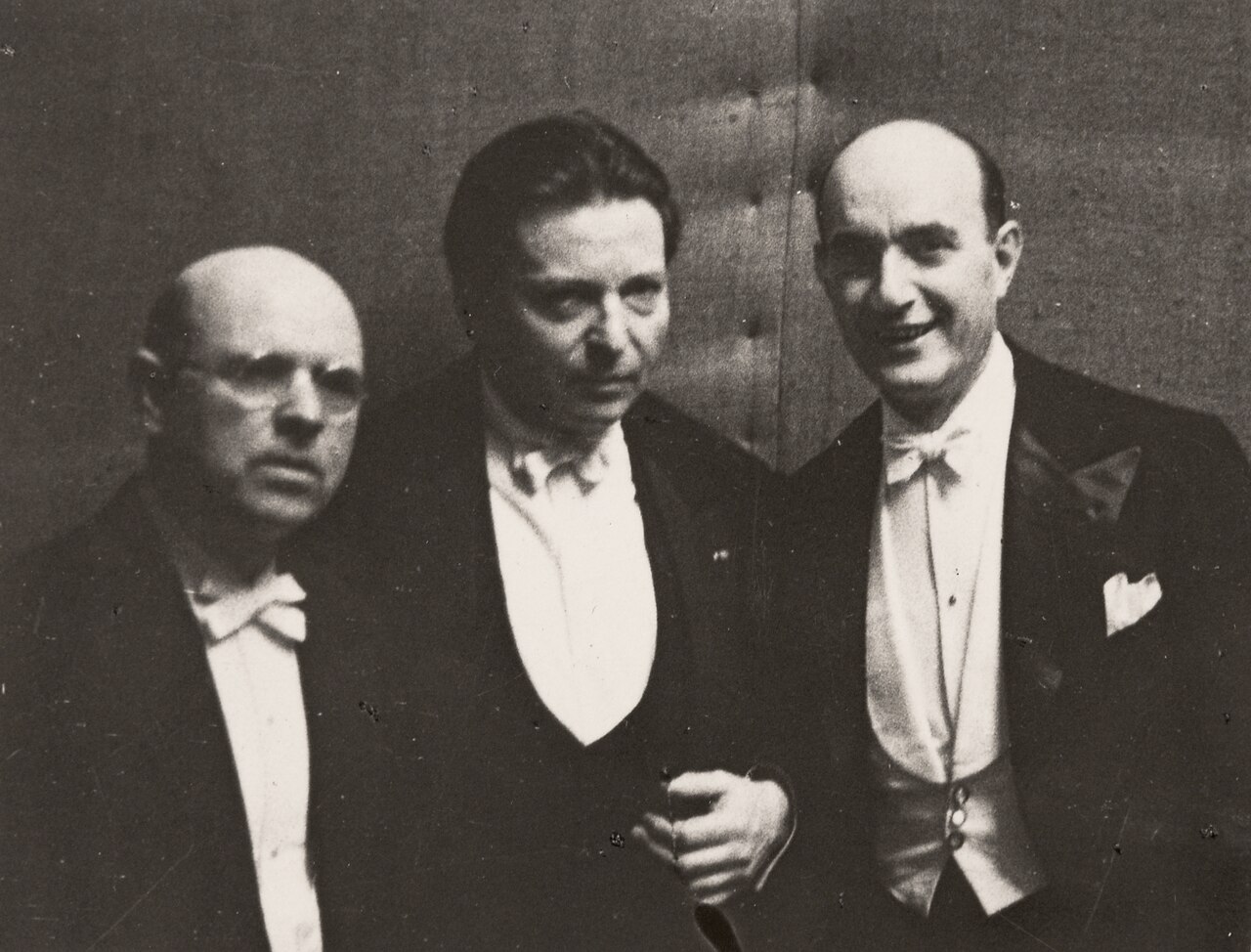
From the early 1890s, Casals's career stretched across continents and courts. A chance performance in a café caught the ear of composer Isaac Albéniz, who secured him a royal stipend and a place studying composition at the Madrid Royal Conservatory. By 1897 he held the principal cello chair at Barcelona's Liceu opera house and had been awarded the Order of Carlos III by the Queen. His international footprint expanded rapidly: he played at London's Crystal Palace and for Queen Victoria at Osborne House in 1899, captivated audiences at the Lamoureux Concerts in Paris, and toured the Netherlands, the United States, and South America in the early 1900s. In 1904 he performed at the White House for Theodore Roosevelt and made his Carnegie Hall debut in Strauss's Don Quixote, with the composer himself at the podium. In Paris he formed the celebrated trio with pianist Alfred Cortot and violinist Jacques Thibaud, a partnership that endured from 1906 to 1933 and produced recordings in the late 1920s. His recording career, which began with Columbia in 1915 and continued with Victor from 1926 onward, captured solo, chamber, and orchestral works that remain vital references to this day.
Gallery
Frequently Asked Questions
Who is Pablo Casals?
Pablo Casals (1876–1973) was a Catalan cellist, composer, and conductor born in Spain. He is widely regarded as one of the most influential cellists of the twentieth century.
What is Pablo Casals most famous for?
He is best known for his landmark recordings of Bach's Cello Suites, which he helped revive in the concert repertoire after they had been largely overlooked. His interpretations remain a standard reference for cellists worldwide.
Why did Pablo Casals leave Spain?
As a vocal opponent of General Franco's authoritarian regime, Casals entered self-exile in 1939 and never set foot in Spain again. He spent the rest of his life abroad, continuing to perform and champion human rights.
What was Pablo Casals's nationality and where was he born?
Casals was born on 29 December 1876 in El Vendrell, Catalonia, and identified strongly as Catalan throughout his life. His full birth name was Pau Casals i Defilló.
Did Pablo Casals do anything beyond performing the cello?
Yes—he composed music, conducted orchestras, and founded the Pau Casals Orchestra, a chamber ensemble dedicated to promoting Catalan and European classical repertoire. He remained active as a conductor well into his later years.
More in Musicians & Composers 1-19
Spotted an error? Know more?
This is a living reference — every entry is fact-audited, and reader corrections feed straight into our audit queue. Suggest an edit · See this site's audit record